For active adults & athletes who refuse to slow down

What's holding you back isn't random. It's a pattern — and most plans miss it.

Pain Stopping you?
Still tight After stretching?
Can't train Like you used to?

Take 5 minutes, find your Mobility IQ, and see what's driving it.

90 Seconds · Hear From Patients

This isn't just a quick fix — for the first time I didn't feel like I was given a cookie-cutter plan.

— Megan F., Naperville
Find Your Mobility IQ

5 minutes. No commitment. Just your score.

Veteran-Owned
HSA / FSA Eligible
5-Star Google Reviews

The gap in most plans

You've tried the fixes. None of them addressed the pattern.

You've rested it, stretched it, iced it. Booked the crack, the massage, the fascial gun. Seen providers who each treated their piece. Some of it helped — for a while.

It came back because most plans address the loudest signal, not the underlying pattern. Relief without reset. Reset without rebuild. The system never gets a chance to actually adapt.

If you're the person who refuses to slow down — the one who tries everything before resigning to "just live with it" — that's not a missing-effort problem. It's a missing-phase problem.

Relief Reset Rebuild The phases most plans skip.
Conditions

Most pain follows predictable patterns.

Whether it's a new injury, chronic pain, or daily stress.

Which one sounds like you?

PainStopping you?
Still tightAfter stretching?
Can't trainLike you used to?
Spine and pelvis anatomical illustration

Back & Lower Body

Pain that runs down a leg. Tightness that won't loosen. Flares that come back every few weeks.

Shoulder joint and upper body anatomical illustration

Shoulder & Upper Body

Can't reach overhead without pinching. Sleep on one side because the other one hurts. Lifting hasn't felt the same in months.

Full body nervous system anatomical illustration

Nerve & Whole-Body

Pain that moves around without warning. Tension that builds by the end of the day. Tightness that no amount of stretching fixes.

The Tensegrity Model

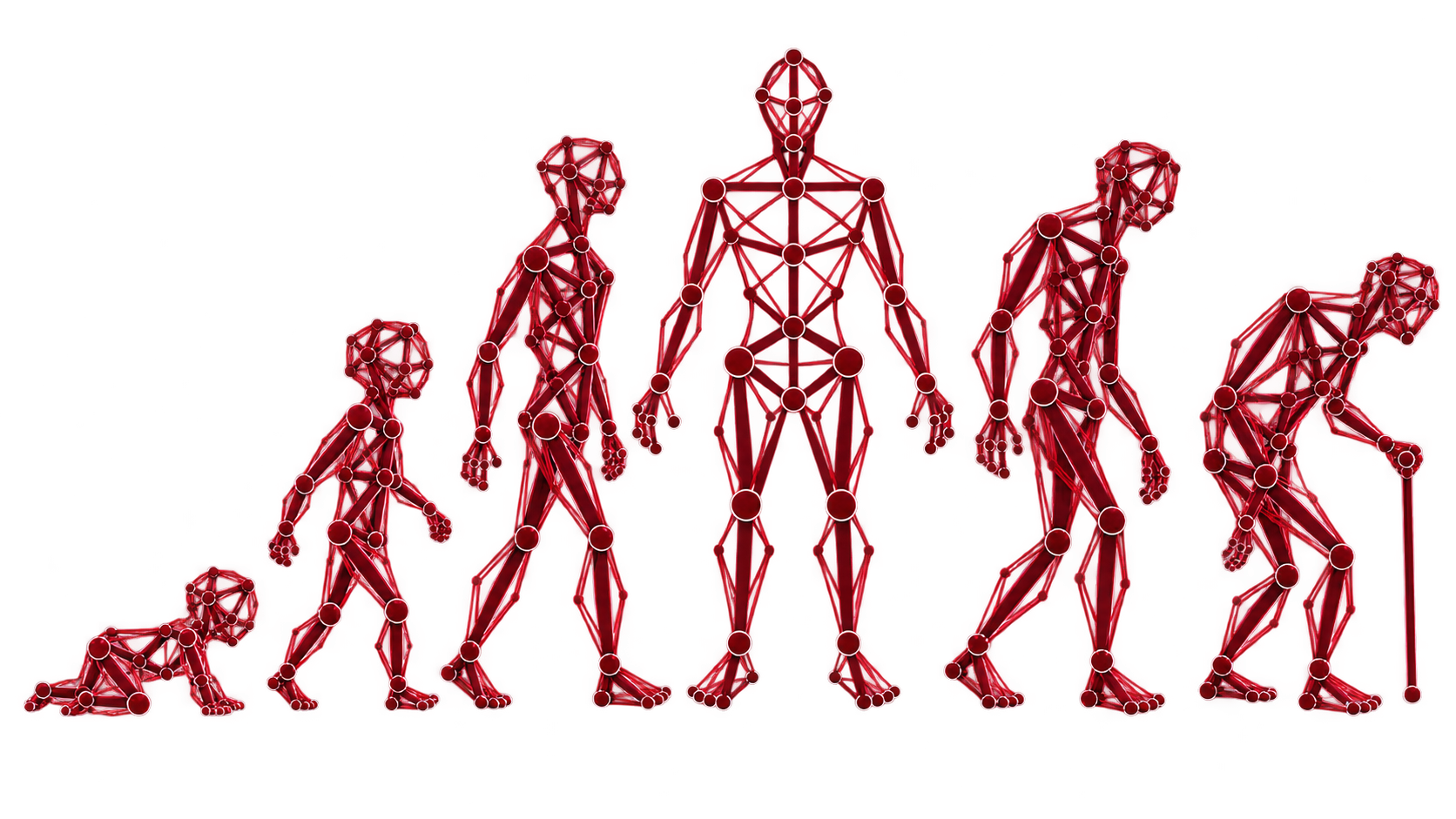
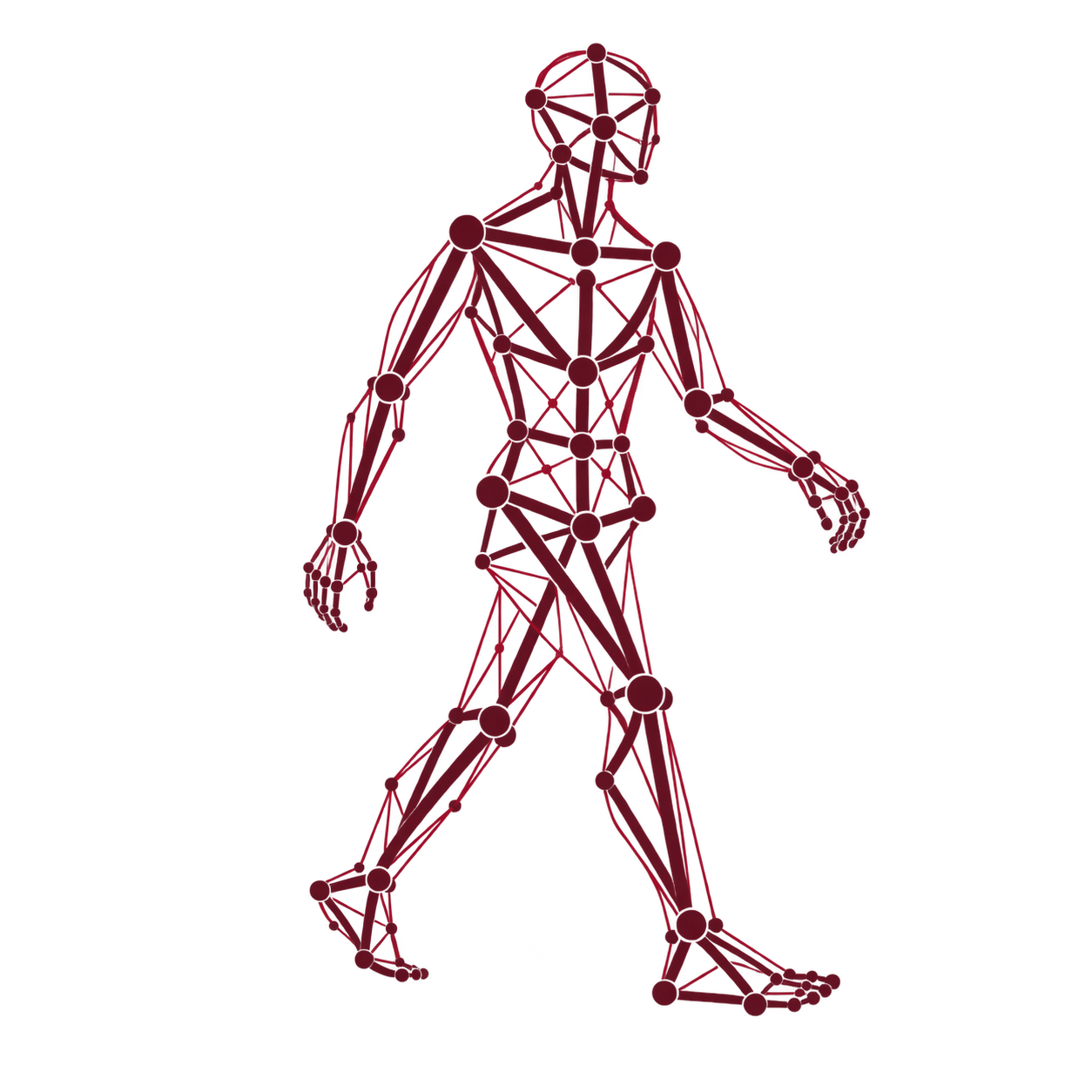
Here's why. Your body isn't a stack of parts — it behaves like a tension network. Tighten one line and the whole structure gives. That's why the pain and the cause are so often in different places.

Tap where you feel it — watch the tension redistribute
Neck Shoulder Mid-back Low back Hip Knee Ankle Upper back Elbow Wrist Big toe
Read the network

Pain shows up where the tension lands — not always where the restriction is. Tap a region to trace the line and see where the load actually travels.

Shows up as
How It Works

Three Steps.
Then You Decide.

For active adults and athletes.

Here's the path.

01

Find Your Mobility IQ

5 minutes. See where your body is borrowing movement from — before we ever talk.

02

Clarity Call

15 minutes, face to face. We talk through what your score revealed — and whether this is the right fit.

03

First Visit

If it's a fit, your first visit is where you see it on your own body — and start changing it the same day.

Details below ↓

What Happens at Your First Visit

See Your Movement.
Then Change It.

Most people guess at progress. You'll see it — measured, on screen — then watch it change before you walk out.

Aaron working with a patient during evaluation
The Mobility IQ Evaluation

Your Movement, Measured.

A full-body assessment that captures how you actually move — so you can see your progress, not guess it.

  • Get your baseline. What your body is doing today.
  • Track the change. Each scan compared to the last.
  • Catch stress early. Before it turns into pain.

Your First Visit Includes

Mobility IQ Evaluation

  • 90-minute assessment. What your body is working around, where it started, and what to do about it.
  • Every joint, checked one at a time. Where each joint moves freely, where it's stuck, and where it's quietly covering for another.
  • Hands-on treatment. Measurable change before you leave.
  • A plan built around what we find. Typically 30 to 90 days. Relieve. Reset. Rebuild.
Time. Clarity. Plan. $200

No packages to decline. No upsell at the door. No surprise bill.

And if it's not a fit, you'll get pointed somewhere that is.

Baseline → Progress → Resilience.
Find Your Mobility IQ

5 minutes. No commitment. Just your score.

The framework behind the scan

Most providers chase symptoms.
We follow a method.

The scan shows you where you are. The method shows you where you're going.

How the Resilient Method works — Relieve, Reset, Rebuild progression How the Resilient Method works — Relieve, Reset, Rebuild progression
Tap each phase — then try skipping one
× × × 01 Relieve 02 Reset 03 Rebuild
In order It holds
01RelieveCalm the loudest signal
What happens

We lower the volume. Manual therapy, acupuncture and dry needling reduce irritation and protective tension, so the system stops guarding — enough to move and assess honestly.

Why it's first

You can't reset or rebuild a body that's bracing. Pain and protective tone change how you move and hide the real pattern. Relief buys a clean window to work in.

02ResetRestore the missing range
What happens

We open the mobility the pattern was working around and re-teach the joint to own it — expanding usable range and control at end range, so the borrowed motion finally has somewhere to go.

Why it's second

Relief without reset is temporary — the reason it didn't hold last time. Once the guarding is down, we get the stiff neighbors doing their own job again instead of leaning on the loud one.

03RebuildLoad it until it holds
What happens

We load the restored range until it's durable — strength and tolerance through the full range, so it survives real life and sport. This is where the change becomes permanent.

Why it's last

Range you can't control or load won't survive contact with your training and your day. Rebuild is what makes it stick. Fit to adapt.

What to expect

Most active-adult patients see meaningful change within 1–4 visits, depending on functional goals.

Plans of care typically run 30 to 90 days — calibrated to what the assessment finds. Faster than that is relief without rebuild. The reason it didn't hold last time.

What holds up in the research is the right work in the right order — progressive load, not the latest gadget. That's why the work is structured in phases — not sessions.

Relieve Reset Rebuild

One last thing

If it keeps coming back, let's figure out why.

5 minutes. No call, no commitment.

You'll see what's holding you back and where to start.

Either way, you leave knowing more about your body than you came in with.

Find Your Mobility IQ

No commitment. No sales pitch. Just your score.