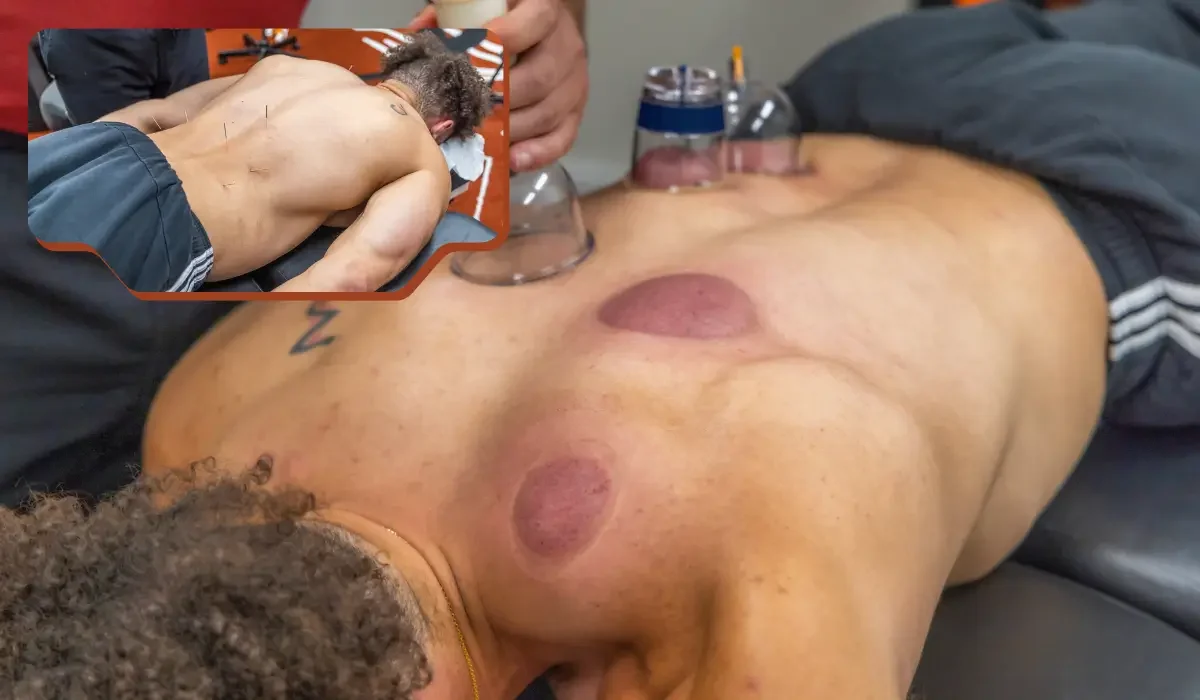
Sports medicine acupuncture and cupping therapy are often combined to reduce muscle tension, improve fascial mobility, and accelerate injury recovery in athletes. Repetitive load alters muscle recruitment, stiffens fascia, and disrupts joint mechanics simultaneously. Addressing only one layer may calm symptoms while leaving performance capacity compromised.
Athletes searching for sports injury acupuncture often present after cycles of rest, stretching, or isolated strengthening that failed to create lasting change. Interest in cupping therapy reflects growing demand for structured recovery strategies rather than temporary relief.
Resilient Acupuncture + Mobility offers sports medicine acupuncture and cupping are coordinated within a performance-based system built to restore durability under training demand.
At Resilient Acupuncture + Mobility, sports medicine acupuncture and cupping are coordinated within a performance-based system designed to restore durability under training demand.
Sports medicine acupuncture targets motor coordination deficits created by overload, compensation, or incomplete rehabilitation. Needle stimulation influences spinal reflex pathways and motor unit synchronization, improving how muscles activate under load.
Athletes seeking sports injury acupuncture Naperville commonly experience:
Research in neuromuscular physiology shows that stimulation paired with active movement enhances cortical motor reorganization. In practical terms, the body relearns cleaner contraction patterns.
Sports medicine acupuncture prepares tissue for higher-level performance demands rather than simply reducing discomfort.
National health authorities such as the National Center for Complementary and Integrative Health recognize acupuncture as a generally safe intervention when performed by trained practitioners.
Cupping applies controlled decompression to superficial fascial layers. Repetitive strain increases fascial density and reduces sliding between tissue planes, which raises localized stress during movement.
Mechanical decompression may:
Studies in connective tissue physiology demonstrate that fascial hydration and elasticity respond positively to mechanical loading and decompression cycles. Improved tissue glide reduces strain concentration during dynamic movement.
Athletes utilizing cupping therapy Naperville frequently report improved mobility and reduced residual stiffness after structured sessions.
The order of application matters.
Restricted fascia can inhibit efficient motor recruitment. When superficial stiffness is reduced first, neuromuscular recalibration becomes more effective.
Cupping prepares the mechanical environment.
Sports medicine acupuncture refines motor sequencing.
When coordinated, combined cupping and acupuncture benefits may include:
Multimodal rehabilitation consistently demonstrates superior outcomes compared to single-modality treatment in persistent musculoskeletal conditions.
Athletes engaged in progressive sports rehab Naperville programs often progress more reliably when both neural and structural contributors are addressed in the same treatment cycle.
Integration follows the progression model outlined in the Resilient Method to ensure adaptation is reinforced rather than temporary.

Layered dysfunction responds best to layered intervention.
Common presentations include:
Many of these presentations are frequently discussed within orthopedic rehabilitation models outlined by the American Academy of Orthopaedic Surgeons, which emphasize restoring joint alignment, muscular balance, and movement efficiency to reduce recurrence.
Effective pain relief therapy must improve coordination under load, not just passive mobility.
Soft tissue mobilization restores mechanical compliance.
Sports medicine acupuncture optimizes recruitment timing.
Veterans managing cumulative orthopedic strain can access structured performance support within our veteran program.
A 29-year-old competitive runner presented with recurring lateral knee irritation during long-distance training.
Baseline findings:
Intervention sequence:
After four sessions over three weeks:
Functional performance improved without reliance on repeated passive sessions.
Athletes seeking structured evaluation may initiate care via our new client intake process.
Each session follows a performance-driven structure:
Care is delivered within the structured system used at Resilient Acupuncture + Mobility to ensure measurable progression rather than symptom rotation.
Athletes often report improved fluidity and reduced post-training stiffness within early treatment cycles.
Persistent athletic discomfort often reflects overlapping contributors that require deliberate sequencing. Addressing neuromuscular efficiency without restoring fascial mobility limits progress. Releasing tissue without refining recruitment fails to sustain adaptation.
Combining sports medicine acupuncture with structured Cupping therapy inside our performance-based Sports Medicine Acupuncture program creates a systematic pathway toward durable recovery.
Athletes and active adults can initiate structured progression through our new client process and build advancement guided by our Resilient Method.
Integrated care supports consistent performance under demand.

About the Author
This article was written by the clinical team at Resilient Acupuncture + Mobility, led by Aaron Avila — a certified Sports Medicine Acupuncturist, veteran, and Functional Range Systems® practitioner. With deep expertise in mobility restoration, pain relief, and performance care, the team integrates hands-on experience with advanced assessment methods to support athletes, active adults, and chronic pain clients across Naperville and beyond. Every piece of content we share is rooted in real practice and designed to empower long-term movement health.
